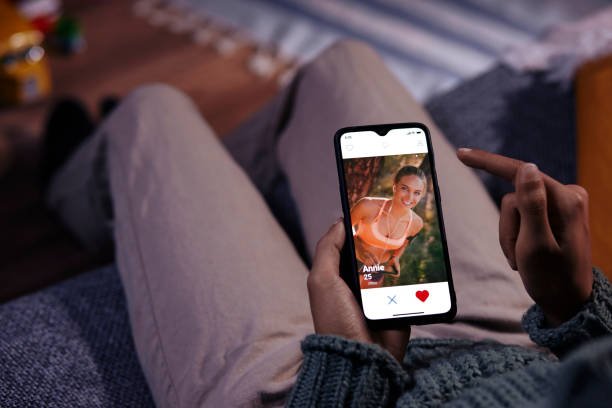
Romance scams are among the most emotionally and financially devastating forms of online fraud. Unlike many other scams that rely purely on technical deception, romance scams are built on trust, emotional manipulation, and psychological control. Victims are often targeted through dating platforms, social media, or messaging applications, where scammers carefully build relationships over time before requesting money.
Understanding how romance scams work is essential for recognising the warning signs early and protecting yourself or someone you care about from financial and emotional harm.
The Psychology Behind Romance Scams
Romance scammers do not begin by asking for money. Instead, they begin by building trust. They invest time and effort into creating what appears to be a genuine emotional connection. Conversations often start casually and gradually become more personal, supportive, and affectionate.
Scammers study human psychology carefully. They understand how to create emotional dependency, how to provide attention and validation, and how to make victims feel valued. Many victims report that the relationship felt real, consistent, and emotionally meaningful. This emotional bond is what makes the eventual financial requests more convincing.
Once trust is established, victims may feel responsible for helping someone they believe cares about them. This emotional manipulation can make it extremely difficult to recognise the situation as fraudulent until significant losses have occurred.
Common Tactics Used by Romance Scammers
Romance scammers follow predictable patterns, although each case may appear unique to the victim. They typically create convincing fake identities using stolen photos and fabricated personal stories. These profiles often present individuals as professionals working overseas, such as engineers, military personnel, doctors, or contractors. This allows them to explain why they cannot meet in person.
Communication usually moves quickly from public platforms to private messaging apps or email. This shift allows scammers to operate with less oversight and maintain consistent contact. They often communicate daily, expressing strong emotions and building a sense of exclusivity and commitment.
After trust and emotional attachment have developed, a financial problem is introduced. The scammer may claim to be facing a medical emergency, business issue, travel problem, or unexpected legal expense. They often promise to repay the money and may even discuss future plans such as meeting, marriage, or shared investments. Over time, requests may become more frequent or involve larger amounts.
Why Victims Often Do Not Realise Immediately
Many victims do not immediately recognise that they are being scammed because the relationship feels genuine. The scammer’s communication is often consistent, caring, and persuasive. They may send photos, voice messages, or even conduct limited video calls using manipulated technology. These interactions reinforce the illusion of authenticity.
Scammers also use emotional pressure and urgency. They may claim that they have no one else to turn to or that the situation is critical. Victims who question inconsistencies may receive elaborate explanations or reassurances. Over time, emotional investment can make it difficult for victims to step back and assess the situation objectively.
It is important to understand that falling victim to a romance scam does not indicate weakness or naivety. These scams are carefully designed psychological operations that can affect individuals from all backgrounds.
Financial Methods Commonly Used
Romance scammers typically request money through channels that are difficult to reverse or trace easily. These may include bank transfers, cryptocurrency payments, digital wallets, or gift cards. They often provide detailed instructions and may guide victims step by step through the payment process.
As the scam progresses, requests may increase in frequency or urgency. Some victims are persuaded to take loans, liquidate savings, or borrow from friends and family. The scammer may continue requesting funds for new emergencies or delays, prolonging the deception for months or even years.
Warning Signs to Watch For
There are several consistent warning signs associated with romance scams. The individual may avoid meeting in person or refuse live video conversations, often citing work restrictions or technical difficulties. Their stories may contain inconsistencies, particularly regarding location, employment, or personal history. Requests for money often arise unexpectedly and are accompanied by urgent explanations.
Another common indicator is the insistence on secrecy. Victims may be told not to share details of the relationship with friends or family. This isolation prevents others from identifying the situation as fraudulent and allows the scam to continue unchecked.
Recognising these warning signs early can prevent significant emotional and financial loss.
How to Protect Yourself
Protecting yourself from romance scams requires a combination of awareness and caution. Avoid sending money or financial information to anyone you have not met and verified in person. Be cautious of individuals who quickly express strong emotions or attempt to move conversations off public platforms. Take time to verify identities by conducting independent searches of photos and personal details where possible.
Discussing online relationships with trusted friends or family members can also provide valuable perspective. A third-party viewpoint often helps identify inconsistencies or warning signs that may not be obvious when emotionally involved.
If something feels unusual or too perfect, it is worth pausing and investigating further before taking any financial action.
What to Do If You Suspect a Romance Scam
If you suspect that you are involved in a romance scam, stop sending money immediately and cease communication with the individual. Preserve all messages, transaction records, and profile details as evidence. Contact your bank or payment provider to report any transactions and seek guidance on possible recovery options.
Seeking professional advice can also help clarify the situation and identify next steps. Early action improves the chances of tracing funds and preventing further losses.
Final Thoughts
Romance scams are designed to exploit trust and emotional connection, making them one of the most challenging forms of fraud to detect and prevent. By understanding the psychology, tactics, and warning signs involved, individuals can better protect themselves and others from falling victim.
Awareness and early intervention are the most powerful tools against romance scams. Staying cautious, verifying identities, and avoiding financial transactions with unverified individuals can significantly reduce risk. If a situation feels uncertain, taking time to evaluate and seek advice can prevent lasting financial and emotional harm.